Common Objections
Common Objections
Common Objections


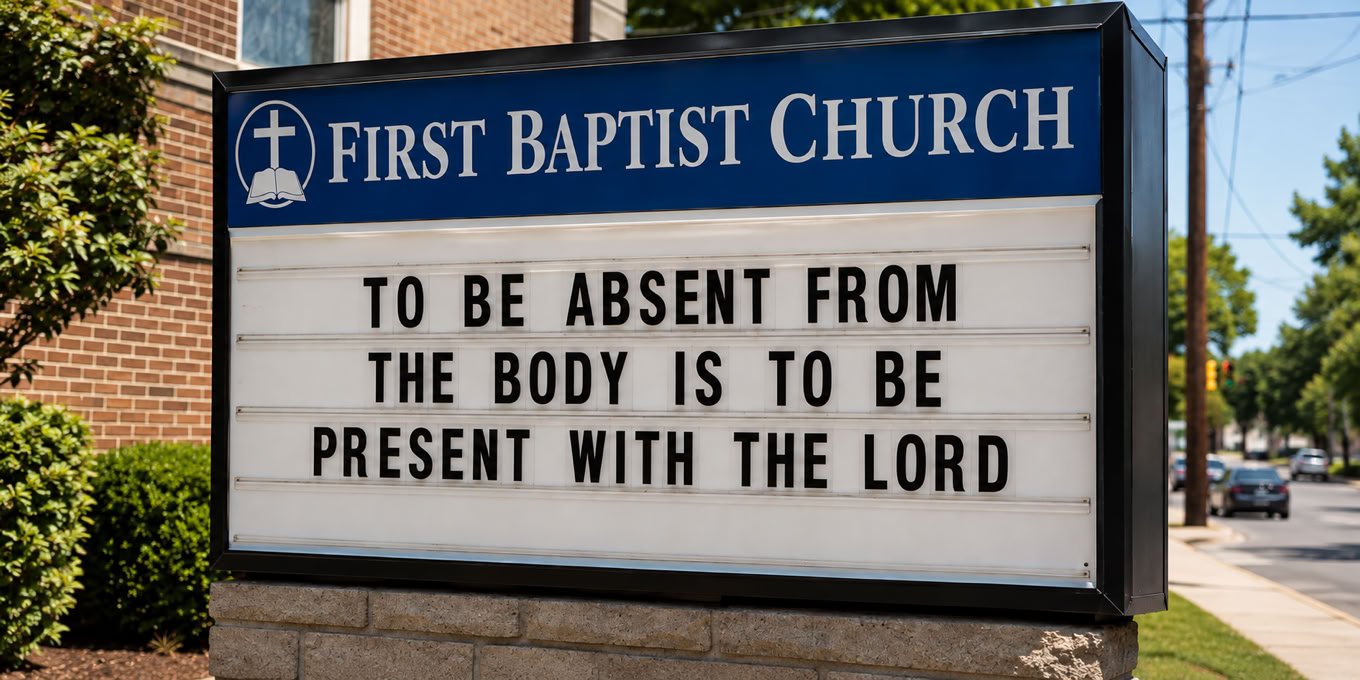
Paul said that to be absent from the body is to be present with the Lord. There’s no room for purgatory
The familiar expression “to be absent from the body is to be present with the Lord” is often quoted as if it were a direct statement from Scripture. But that’s not quite what Paul wrote.
In 2 Corinthians 5:8, Paul says:
We are confident, I say, and would prefer to be away from the body and at home with the Lord.
Paul is expressing his desire to leave this earthly life and be with Christ. But he doesn’t tell us precisely what happens between death and our entrance into heaven.
Suppose I’m in Pennsylvania and say, “I can’t wait to be in Virginia.” Nobody would conclude from that statement that I won’t pass through Maryland on the way. I’m simply expressing where I want to be, not describing everything that will happen between here and there.
Likewise, when Paul says he would prefer to be away from the body and at home with the Lord, he’s expressing his longing to be with Christ. He isn’t giving us a detailed account of everything that happens after death.
What about purgatory?
Most evangelicals believe that God completes our sanctification when we die, making us perfectly holy before we enter heaven. Catholics agree that God must complete that work. We call that final purification purgatory.
How that purification takes place, how long it lasts, or how it’s experienced by those undergoing it, we simply don’t know.
So even if Paul means that Christians who die go immediately to be with Christ, that doesn’t rule out purgatory. The Catholic Church teaches that those undergoing purification are still united to Christ and are certain of their final destiny.
Paul longed to leave this earthly life and be with Christ. Who wouldn’t? But saying that the faithful departed are with Christ in heaven doesn’t tell us whether any purification took place between here and there.
Featured Articles
Copyright © 2024–[YEAR] Catholic Odyssey