Common Objections
Common Objections
Common Objections


“Always be prepared to make a defense” — 1 Peter 3:15
Featured Articles
———— Introduction ————
Protestants raise many objections to the Catholic faith. Some are based on misunderstandings of what the Church actually teaches. Others involve genuine theological disagreements. And some involve both.
This collection examines those objections in light of Scripture, history, and Catholic teaching. Each objection links to an article explaining the Catholic position and addressing the arguments against it.
———— Browse by subject ————
The Catholic Church CO-BROWSE-1
Faith and Reason CO-BROWSE-2
Mary and the Saints CO-BROWSE-3
The Sacraments CO-BROWSE-4
Salvation and Grace CO-BROWSE-5
Scripture and Tradition CO-BROWSE-6
———— The Catholic Church ————
Are Catholics really Christians?
Catholics aren’t really Christians.
Catholics have religion, but not a personal relationship with Jesus.
Catholics aren’t really Christians.
Catholics have religion, but not a personal relationship with Jesus.
Catholics teach salvation by works instead of faith.
The Catholic Church teaches that all non-Catholics are going to hell
Catholics teach salvation by works instead of faith.
The Catholic Church teaches that all non-Catholics are going to hell
Catholics teach salvation by works instead of faith.
The Catholic Church teaches that all non-Catholics are going to hell
The Church Christ Founded
Jesus never established an authoritative teaching Church.
The Bible doesn't teach that Jesus founded a single, visible Church.
Jesus never established an authoritative teaching Church.
The Bible doesn't teach that Jesus founded a single, visible Church.
Jesus never established an authoritative teaching Church.
The Bible doesn't teach that Jesus founded a single, visible Church.
The Catholic Church isn't the Church Jesus founded.
Catholicism corrupted the Christianity taught by the apostles.
Jesus never established an authoritative teaching Church.
The Bible doesn't teach that Jesus founded a single, visible Church.
The Catholic Church isn't the Church Jesus founded.
Catholicism corrupted the Christianity taught by the apostles.
Catholic doctrines were invented centuries after the apostles.
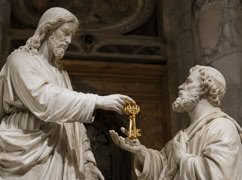
Peter and the Papacy
Jesus is the foundation of the Church, so Peter can't be.
Paul condemned Christians for following Peter instead of Christ.
Jesus is the foundation of the Church, so Peter can't be.
Paul condemned Christians for following Peter instead of Christ.
Jesus is the foundation of the Church, so Peter can't be.
Paul condemned Christians for following Peter instead of Christ.
Papal Authority and Infallibility
The Bible doesn't teach that the pope has authority over the whole Church.
Only God is infallible. No human being can be infallible.
How can the pope be infallible when some popes were terrible sinners?
The Bible doesn't teach that the pope has authority over the whole Church.
Only God is infallible. No human being can be infallible.
How can the pope be infallible when some popes were terrible sinners?
The Bible doesn't teach that the pope has authority over the whole Church.
Only God is infallible. No human being can be infallible.
How can the pope be infallible when some popes were terrible sinners?
The Bible doesn't teach that the pope has authority over the whole Church.
Only God is infallible. No human being can be infallible.
How can the pope be infallible when some popes were terrible sinners?
Catholics believe the pope can never be wrong.
Catholics believe the pope receives new revelations from God.
Catholics believe the pope can never be wrong.
Catholics believe the pope receives new revelations from God.
Catholics believe the pope can never be wrong.
Catholics believe the pope receives new revelations from God.
Catholics believe the pope receives new revelations from God.
Catholic Teachings and Practices
The Catholic Church keeps changing its teachings.
Catholics believe every Church rule is an unchangeable doctrine.
The Bible doesn't distinguish between mortal and venial sins.
There's nothing sinful about contraception. Responsible couples should be able to use it.
Forbidding priests to marry is a teaching of demons (1 Timothy 4:1–3).
Catholics require priests to be celibate because they think marriage is sinful.
Jesus said to call no man father, so Catholics shouldn't call priests “Father.”
Jesus condemned repetitive prayers, so Catholics shouldn't pray the Rosary.
Praying the Rosary is just repeating a magical formula.
Jesus said to call no man father, so Catholics shouldn't call priests “Father.”
Jesus condemned repetitive prayers, so Catholics shouldn't pray the Rosary.
Praying the Rosary is just repeating a magical formula.
Jesus said to call no man father, so Catholics shouldn't call priests “Father.”
Jesus condemned repetitive prayers, so Catholics shouldn't pray the Rosary.
Praying the Rosary is just repeating a magical formula.
Jesus condemned repetitive prayers, so Catholics shouldn't pray the Rosary.
Praying the Rosary is just repeating a magical formula.
Catholic History
The Inquisition proves the Catholic Church can't be Christ's Church.
The Catholic Church slaughtered 68 million Christians during the Middle Ages.
The Inquisition proves the Catholic Church can't be Christ's Church.
The Catholic Church slaughtered 68 million Christians during the Middle Ages.
———— Faith and Reason ————
Geocentrism
———— Mary and the Saints ————
Praying to the Saints
Why pray to saints when we can go directly to God?
The Bible says there's only one mediator between God and man—Jesus Christ.
Catholics pray to dead people, which the Bible forbids.
The Bible never tells Christians to ask saints in heaven to pray for them.
Why pray to saints when we can go directly to God?
The Bible says there's only one mediator between God and man—Jesus Christ.
Catholics pray to dead people, which the Bible forbids.
The Bible never tells Christians to ask saints in heaven to pray for them.
Why pray to saints when we can go directly to God?
The Bible says there's only one mediator between God and man—Jesus Christ.
Catholics pray to dead people, which the Bible forbids.
The Bible never tells Christians to ask saints in heaven to pray for them.
How could the saints in heaven possibly hear millions of prayers?
Catholics attribute powers to saints that belong to God alone.
How could the saints in heaven possibly hear millions of prayers?
Catholics attribute powers to saints that belong to God alone.
How could the saints in heaven possibly hear millions of prayers?
Catholics attribute powers to saints that belong to God alone.
Honoring Mary
Catholics treat Mary as though she's a goddess.
Catholics put Mary on the same level as Jesus.
Catholics make Mary another mediator between us and Christ.
Catholics treat Mary as though she's a goddess.
Catholics put Mary on the same level as Jesus.
Catholics make Mary another mediator between us and Christ.
Catholics treat Mary as though she's a goddess.
Catholics put Mary on the same level as Jesus.
Catholics make Mary another mediator between us and Christ.
Catholics treat Mary as though she's a goddess.
Catholics put Mary on the same level as Jesus.
Catholics make Mary another mediator between us and Christ.
Jesus rebuked a woman for praising his mother (Luke 11:27–28).
Why pray to Mary when we can go directly to Jesus?
Jesus rebuked a woman for praising his mother (Luke 11:27–28).
Why pray to Mary when we can go directly to Jesus?
Jesus rebuked a woman for praising his mother (Luke 11:27–28).
Why pray to Mary when we can go directly to Jesus?
Why pray to Mary when we can go directly to Jesus?
What Catholics Believe About Mary
Mary can't be the Mother of God because God has no beginning.
The Bible doesn't teach the Immaculate Conception.
Mary called God her Savior, so she must have been a sinner.
Mary can't be the Mother of God because God has no beginning.
The Bible doesn't teach the Immaculate Conception.
Mary called God her Savior, so she must have been a sinner.
Mary can't be the Mother of God because God has no beginning.
The Bible doesn't teach the Immaculate Conception.
Mary called God her Savior, so she must have been a sinner.
Romans 3:23 says everyone has sinned, including Mary.
Jesus had brothers and sisters, so Mary couldn't have remained a virgin.
Mary can't be the Mother of God because God has no beginning.
The Bible doesn't teach the Immaculate Conception.
Mary called God her Savior, so she must have been a sinner.
Romans 3:23 says everyone has sinned, including Mary.
Jesus had brothers and sisters, so Mary couldn't have remained a virgin.
The Bible never says Mary was assumed into heaven.
Catholics believe Mary ascended into heaven by her own power.
Jesus had brothers and sisters, so Mary couldn't have remained a virgin.
The Bible never says Mary was assumed into heaven.
Catholics believe Mary ascended into heaven by her own power.
Jesus had brothers and sisters, so Mary couldn't have remained a virgin.
The Bible never says Mary was assumed into heaven.
Catholics believe Mary ascended into heaven by her own power.
The Bible never says Mary was assumed into heaven.
Catholics believe Mary ascended into heaven by her own power.
Images and Relics
The Ten Commandments forbid making religious images.
The Ten Commandments forbid making religious images.
The Ten Commandments forbid making religious images.
The Ten Commandments forbid making religious images.
Catholics treat relics as though they have magical powers.
Catholics treat relics as though they have magical powers.
Catholics treat relics as though they have magical powers.
Catholics treat relics as though they have magical powers.
———— The Sacraments ————
How the Sacraments Work
Catholics believe sacraments work automatically, regardless of faith or repentance.
Catholics believe baptism saves people even if they don't have faith.
Catholics believe sacraments work automatically, regardless of faith or repentance.
Catholics believe baptism saves people even if they don't have faith.
Catholics believe sacraments work automatically, regardless of faith or repentance.
Catholics believe baptism saves people even if they don't have faith.
Catholics add religious rituals to the finished work of
Catholics believe sacraments work automatically, regardless of faith or repentance.
Catholics believe baptism saves people even if they don't have faith.
Catholics add religious rituals to the finished work of Christ.
Catholics add religious rituals to the finished work of Christ.
Catholics add religious rituals to the finished work of Christ.
Christ.
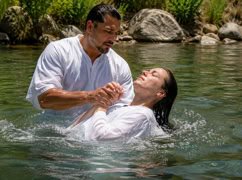
Baptism
Baptism is only a public profession of faith.
Baptism doesn't actually wash away sins.
We're saved by faith, not by being baptized.
Infants shouldn't be baptized because they can't believe or profess faith.
Baptism is only a public profession of faith.
Baptism doesn't actually wash away sins.
We're saved by faith, not by being baptized.
Infants shouldn't be baptized because they can't believe or profess faith.
Baptism is only a public profession of faith.
Baptism doesn't actually wash away sins.
We're saved by faith, not by being baptized.
Infants shouldn't be baptized because they can't believe or profess faith.
Catholics aren't really born-again Christians.
Baptism is only a public profession of faith.
Baptism doesn't actually wash away sins.
We're saved by faith, not by being baptized.
Infants shouldn't be baptized because they can't believe or profess faith.
Catholics aren't really born-again Christians.
Catholics aren't really born-again Christians.
Catholics aren't really born-again Christians.
The Eucharist
The Lord's Supper is a memorial, not the actual body and blood of Christ.
Jesus was speaking figuratively when he said, “This is my body.”
The Lord's Supper is a memorial, not the actual body and blood of Christ.
Jesus was speaking figuratively when he said, “This is my body.”
The Lord's Supper is a memorial, not the actual body and blood of Christ.
Jesus was speaking figuratively when he said, “This is my body.”
The Bible doesn't teach transubstantiation.
The Lord's Supper is a memorial, not the actual body and blood of Christ.
Jesus was speaking figuratively when he said, “This is my body.”
The Bible doesn't teach transubstantiation.
Catholics believe the bread and wine become ordinary human flesh and blood.
Worshiping the consecrated host is idolatry.
The Bible doesn't teach transubstantiation.
Catholics believe the bread and wine become ordinary human flesh and blood.
Worshiping the consecrated host is idolatry.
The Bible doesn't teach transubstantiation.
Catholics believe the bread and wine become ordinary human flesh and blood.
Worshiping the consecrated host is idolatry.
Catholics believe the bread and wine become ordinary human flesh and blood.
Worshiping the consecrated host is idolatry.
The Sacrifice of the Mass
Jesus died once for all. The Mass can't be another sacrifice.
Catholics sacrifice Jesus again every time they celebrate Mass.
Jesus died once for all. The Mass can't be another sacrifice.
Catholics sacrifice Jesus again every time they celebrate Mass.
Jesus died once for all. The Mass can't be another sacrifice.
Catholics sacrifice Jesus again every time they celebrate Mass.
Jesus died once for all. The Mass can't be another sacrifice.
Catholics sacrifice Jesus again every time they celebrate Mass.
Catholics add religious rituals to the finished work of Christ.
Catholics add religious rituals to the finished work of Christ.
Catholics add religious rituals to the finished work of Christ.
Catholics add religious rituals to the finished work of Christ.
———— Salvation and Grace ————
Salvation by Grace
Catholics believe they can earn their way into heaven.
Catholics teach salvation by works instead of faith.
Catholics don't believe salvation is a free gift.
Catholics think being a good person is enough to get into heaven.
Catholics believe they can earn their way into heaven.
Catholics teach salvation by works instead of faith.
Catholics don't believe salvation is a free gift.
Catholics think being a good person is enough to get into heaven.
Catholics believe they can earn their way into heaven.
Catholics teach salvation by works instead of faith.
Catholics don't believe salvation is a free gift.
Catholics think being a good person is enough to get into heaven.
Catholics believe they must keep earning God's forgiveness.
Catholics believe they can earn their way into heaven.
Catholics teach salvation by works instead of faith.
Catholics don't believe salvation is a free gift.
Catholics think being a good person is enough to get into heaven.
Catholics believe they must keep earning God's forgiveness.
Catholics add works to the finished work of Christ.
Catholics believe they must keep earning God's forgiveness.
Catholics add works to the finished work of Christ.
Catholics believe they must keep earning God's forgiveness.
Catholics add works to the finished work of Christ.
Catholics add works to the finished work of Christ.
Justification by Faith
The Bible says we're justified by faith alone, not by faith and works.
Good works are merely evidence of salvation; they don't contribute to it.
The Bible says we're justified by faith alone, not by faith and works.
Good works are merely evidence of salvation; they don't contribute to it.
The Bible says we're justified by faith alone, not by faith and works.
Good works are merely evidence of salvation; they don't contribute to it.
Catholics add works to the finished work of Christ.
The Bible says we're justified by faith alone, not by faith and works.
Good works are merely evidence of salvation; they don't contribute to it.
Catholics add works to the finished work of Christ.
Catholics believe they can earn their way into heaven.
Catholics add works to the finished work of Christ.
Catholics believe they can earn their way into heaven.
Catholics add works to the finished work of Christ.
Catholics believe they can earn their way into heaven.
Catholics believe they can earn their way into heaven.
Being Born Again
Catholics aren't really born-again Christians.
Baptism doesn't make someone born again.
Catholics aren't really born-again Christians.
Baptism doesn't make someone born again.
Catholics aren't really born-again Christians.
Baptism doesn't make someone born again.
Catholics aren't really born-again Christians.
Baptism doesn't make someone born again.
Catholics have religion, but not a personal relationship with Jesus.
Catholics have religion, but not a personal relationship with Jesus.
Catholics have religion, but not a personal relationship with Jesus.
Catholics have religion, but not a personal relationship with Jesus.
Assurance of Salvation
Once you're saved, you're always saved.
Christians can know for certain that they're saved.
Catholics believe nobody can know whether they're in God's grace.
Once you're saved, you're always saved.
Christians can know for certain that they're saved.
Catholics believe nobody can know whether they're in God's grace.
Once you're saved, you're always saved.
Christians can know for certain that they're saved.
Catholics believe nobody can know whether they're in God's grace.
Paul taught that nothing can separate believers from
Once you're saved, you're always saved.
Christians can know for certain that they're saved.
Catholics believe nobody can know whether they're in God's grace.
Paul taught that nothing can separate believers from the love of God, so salvation can't be lost.
Paul taught that nothing can separate believers from the love of God, so salvation can't be lost.
Paul taught that nothing can separate believers from the love of God, so salvation can't be lost.
the love of God, so salvation can't be lost.
Purgatory
Purgatory contradicts Christ's finished work on the cross.
Jesus already paid the full penalty for our sins. We don't have to suffer for them ourselves.
Purgatory contradicts Christ's finished work on the cross.
Jesus already paid the full penalty for our sins. We don't have to suffer for them ourselves.
Purgatory contradicts Christ's finished work on the cross.
Jesus already paid the full penalty for our sins. We don't have to suffer for them ourselves.
There's no biblical evidence for purgatory.
Praying for the dead is pointless because their eternal destiny is already settled.
Purgatory contradicts Christ's finished work on the cross.
Jesus already paid the full penalty for our sins. We don't have to suffer for them ourselves.
There's no biblical evidence for purgatory.
Praying for the dead is pointless because their eternal destiny is already settled.
Purgatory is an opportunity to be saved after death.
The word “purgatory” doesn't appear anywhere in the Bible.
Catholics believe everyone spends thousands of years in purgatory.
Praying for the dead is pointless because their eternal destiny is already settled.
Purgatory is an opportunity to be saved after death.
The word “purgatory” doesn't appear anywhere in the Bible.
Catholics believe everyone spends thousands of years in purgatory.
Praying for the dead is pointless because their eternal destiny is already settled.
Purgatory is an opportunity to be saved after death.
The word “purgatory” doesn't appear anywhere in the Bible.
Catholics believe everyone spends thousands of years in purgatory.
Purgatory is an opportunity to be saved after death.
The word “purgatory” doesn't appear anywhere in the Bible.
Catholics believe everyone spends thousands of years in purgatory.
Indulgences
Indulgences are permission to commit sins.
The Catholic Church sells forgiveness through indulgences.
Indulgences are permission to commit sins.
The Catholic Church sells forgiveness through indulgences.
Indulgences are permission to commit sins.
The Catholic Church sells forgiveness through indulgences.
Indulgences are permission to commit sins.
The Catholic Church sells forgiveness through indulgences.
There's no biblical basis for indulgences.
There's no biblical basis for indulgences.
There's no biblical basis for indulgences.
There's no biblical basis for indulgences.
———— Scripture and Tradition ————
The Bible
Catholics don't really believe the Bible is inspired and without error.
The Catholic Church forbade ordinary people to read the Bible.
Catholics don't really believe the Bible is inspired and without error.
The Catholic Church forbade ordinary people to read the Bible.
Catholics don't really believe the Bible is inspired and without error.
The Catholic Church forbade ordinary people to read the Bible.
Catholics don't really believe the Bible is inspired and without error.
The Catholic Church forbade ordinary people to read the Bible.
Catholics aren't allowed to interpret the Bible for themselves.
The Catholic Church puts its own teachings above Scripture.
Catholics aren't allowed to interpret the Bible for themselves.
The Catholic Church puts its own teachings above Scripture.
Catholics aren't allowed to interpret the Bible for themselves.
The Catholic Church puts its own teachings above Scripture.
Catholics aren't allowed to interpret the Bible for themselves.
The Catholic Church puts its own teachings above Scripture.
The Apocrypha
The Catholic Church added the Apocrypha to the Bible at the Council of Trent.
The Jews never accepted the Apocrypha as Scripture.
The Catholic Church added the Apocrypha to the Bible at the Council of Trent.
The Jews never accepted the Apocrypha as Scripture.
The Catholic Church added the Apocrypha to the Bible at the Council of Trent.
The Jews never accepted the Apocrypha as Scripture.
The New Testament never quotes the Apocrypha as Scripture.
These books weren't originally written in Hebrew, the language of the Old Testament.
The Catholic Church added the Apocrypha to the Bible at the Council of Trent.
The Jews never accepted the Apocrypha as Scripture.
The New Testament never quotes the Apocrypha as Scripture.
These books weren't originally written in Hebrew, the language of the Old Testament.
These books never claim to be inspired.
These books contain historical errors and teachings that contradict Scripture.
These books don't have the characteristics of inspired Scripture.
These books weren't originally written in Hebrew, the language of the Old Testament.
These books never claim to be inspired.
These books contain historical errors and teachings that contradict Scripture.
These books don't have the characteristics of inspired Scripture.
These books weren't originally written in Hebrew, the language of the Old Testament.
These books never claim to be inspired.
These books contain historical errors and teachings that contradict Scripture.
These books don't have the characteristics of inspired Scripture.
These books never claim to be inspired.
These books contain historical errors and teachings that contradict Scripture.
These books don't have the characteristics of inspired Scripture.
Scripture Alone
The Bible teaches that Scripture alone is our authority for Christian faith and practice.
Catholics put the Church's authority above the Bible.
The Bereans tested Paul's preaching against Scripture, proving sola Scriptura.
The Bible teaches that Scripture alone is our authority for Christian faith and practice.
Catholics put the Church's authority above the Bible.
The Bereans tested Paul's preaching against Scripture, proving sola Scriptura.
The Bible teaches that Scripture alone is our authority for Christian faith and practice.
Catholics put the Church's authority above the Bible.
The Bereans tested Paul's preaching against Scripture, proving sola Scriptura.
Second Timothy 3:16–17 says Scripture equips us for every good work. What more do we need?
Paul said not to go beyond what is written (1 Corinthians 4:6).
Catholics aren't allowed to interpret the Bible for themselves.
Second Timothy 3:16–17 says Scripture equips us for every good work. What more do we need?
Paul said not to go beyond what is written (1 Corinthians 4:6).
Catholics aren't allowed to interpret the Bible for themselves.
Second Timothy 3:16–17 says Scripture equips us for every good work. What more do we need?
Paul said not to go beyond what is written (1 Corinthians 4:6).
Catholics aren't allowed to interpret the Bible for themselves.
Paul said not to go beyond what is written (1 Corinthians 4:6).
Catholics aren't allowed to interpret the Bible for themselves.
Scripture and Tradition
Jesus condemned the traditions of men, but Catholics put tradition on the same level as Scripture.
The Bible doesn't authorize the Church to pass down revelation orally.
The Bible tells us everything we need to know to be saved. We don't need tradition.
Jesus condemned the traditions of men, but Catholics put tradition on the same level as Scripture.
The Bible doesn't authorize the Church to pass down revelation orally.
The Bible tells us everything we need to know to be saved. We don't need tradition.
Jesus condemned the traditions of men, but Catholics put tradition on the same level as Scripture.
The Bible doesn't authorize the Church to pass down revelation orally.
The Bible tells us everything we need to know to be saved. We don't need tradition.
Catholics believe every Church rule is an unchangeable doctrine.
Catholic doctrines were invented centuries after the apostles.
Catholics believe every Church rule is an unchangeable doctrine.
Catholic doctrines were invented centuries after the apostles.
Catholics believe every Church rule is an unchangeable doctrine.
Catholic doctrines were invented centuries after the apostles.
Copyright © 2024–[YEAR] Catholic Odyssey